The first genuinely warm Saturday of spring is a trap. The sun floods the trailhead parking lot, everyone digs out the shoes that sat by the door all winter, and by mid-afternoon the same people are sliding down a muddy switchback with cold hands and no headlamp. Nobody sets out to have a bad day.
Spring is one of the best seasons to walk in. The woods are loud with runoff, the light is long and soft, and the crowds have not yet found the good trails. It is also the season that punishes assumptions hardest, because the weather where you park tells you almost nothing about the ground you are about to cross. Here are the ten mistakes beginners make most often between the first thaw and the first stretch of dry trail, with a fix for each.
1. Underestimating the Mud
A trail you cruise over in July can take half again as long in April. Saturated ground grabs at your feet, every step slides a little, and the small muscles that keep you balanced work all day. Beginners budget for distance and elevation and forget to budget for surface.
Fix: plan for the ground, not the map
- Add real time to your estimate. If the route is muddy or partly snow-covered, assume it will take noticeably longer than the guidebook says, and choose a shorter objective to compensate.
- Stay on the established tread, even where it is ugly. The wide mud scar beside a trail is usually made by people trying to keep their shoes clean; on fragile ground, that detour is exactly what seasonal closures exist to prevent.
- Bring trekking poles. Two extra points of contact turn a slippery descent from a gamble into a decision.
Watch for lingering snow and high water
Higher routes hold snow well into spring. Post-holing — stepping onto what looks like a firm white surface and dropping to your knee — is exhausting, and it chews up the trail for everyone behind you. If the snow is deep and soft, or a steep slope has frozen hard overnight, that is a turn-around signal rather than a challenge.
Creek crossings deserve the same respect. Snowmelt makes streams higher, faster and colder than they will be in summer. Cross at a wide, shallow braid, unbuckle your pack's sternum strap and hipbelt first so you can shed it, and turn back if the water is above your knees and moving fast.
2. Packing for Warmth Instead of for Weather
The trailhead at nine in the morning can feel like a different climate from the ridge at noon. Beginners dress for the parking lot, sweat on the climb in a cotton t-shirt, then stop for lunch in a cold wind and discover that wet cotton holds the chill against the skin. Spring weather also changes faster than summer weather; a mild morning says nothing about the squall that arrives at two.
Dress for the weather you will walk through, not the weather you parked in.
Fix: three layers and one dry spare
- A base layer that is not cotton — wool or synthetic — so sweat moves away from your skin.
- A light insulating mid layer, fleece or a thin synthetic jacket, for stops and shaded climbs.
- A windproof or waterproof shell you can pull on in under a minute.
- A hat, thin gloves, spare socks and a dry top sealed in a plastic bag. That dry layer earns its weight the moment you get rained on.
3. Ignoring Trail Closures and Seasonal Rules
Many land managers close trails during mud season, when thawing ground is at its most fragile, and reopen them once the surface has firmed up. Spring is also when seasonal road gates stay locked, when some wildlife areas close for nesting or calving, and when the winter route and the summer route are simply not the same line on the map. A closure sign is not bureaucracy; it is usually an attempt to keep a trail from being rebuilt at public expense.
Fix: check two sources before you leave
- Look at the land manager's website — the park, forest district, state park or land trust that actually manages the ground — the day before you go, not a month earlier.
- Read the trailhead kiosk and any gate signage, even if it contradicts what you read online.
- Have a backup plan that is lower, drier or on a hardened surface such as a gravel path or fire road.
4. Letting Spring Daylight Fool You
Late sunsets make the day feel bottomless. Beginners start at ten because the morning was cold, lose an hour to mud, and turn around with what feels like plenty of light left — then find that the descent is slower than the climb and that the cold arrives with the first shadow. Dusk in the woods comes earlier than it does in your street.
Fix: set a turnaround time, not a destination
Pick the hour you will turn around regardless of how close the summit looks, and stick to it. Carry a headlamp on every spring hike, even a short one, and tell someone where you are going and when you expect to be back. A headlamp weighs almost nothing and removes an entire category of bad evening.
5. Forgetting Feet, Skin and Water
Spring trails are wet trails, and wet feet blister. Boots that felt fine on a dry autumn walk can rub badly after two hours of puddles, and the fix is usually boring: wool socks, a spare pair in the pack, and shoes you have actually worn for a long day before. Ticks become active as soon as the ground warms, so check yourself at the car, and remember that sun is stronger than it feels when there is still snow on the ground reflecting it back at you.
Water needs a second look, too. Snowmelt can run turbid, and a stream that looks clear beside a pasture is not automatically safe. Filter, boil or treat, and carry more than you think you need because the first warm days dehydrate people faster than they notice.
6. Planning the Route as if It Were July
Guidebook times, mileage and elevation gain are written for dry summer conditions. In spring the snow line may sit well below the pass, the shortcut may cross a swollen creek, and the summit you have been eyeing may still be a winter objective. Beginners also tend to overreach on the first outing of the year, loading a summer-length route onto winter legs.
Fix: shrink the ambition, sharpen the preparation
- Download an offline map and know how to read it without a signal.
- Choose a first spring route with a bail-out point halfway.
- Carry food for one extra hour, plus a small first-aid kit and a warm layer you never plan to wear.
- Save the bigger objective for a month when the ground and your legs are both ready.
A Short Spring Checklist
Before you leave the house, run through this quickly. It takes two minutes and prevents most of the days people describe afterward as a lesson.
- Land manager's site checked for closures and road gates
- Route chosen with a shorter backup option
- Layers packed: base, insulation, shell, hat, gloves
- Dry spare top and socks in a sealed bag
- Headlamp, charged phone, offline map
- Water treatment and an extra snack
- Turnaround time written down and shared with someone
- Boots and socks tested on a long walk, not a lap around the block
Spring rewards patience more than ambition. Walk a shorter route than you would in summer, keep your feet dry, believe the closure signs, and leave the summit for the season that actually belongs to it. There will be plenty of warm weekends. The point of the first few is to arrive back at the car still wanting the next one.
If you are new to regular exercise, carrying an old injury, or managing a heart or lung condition, it is worth checking with a doctor before you take on a longer or steeper route than usual.
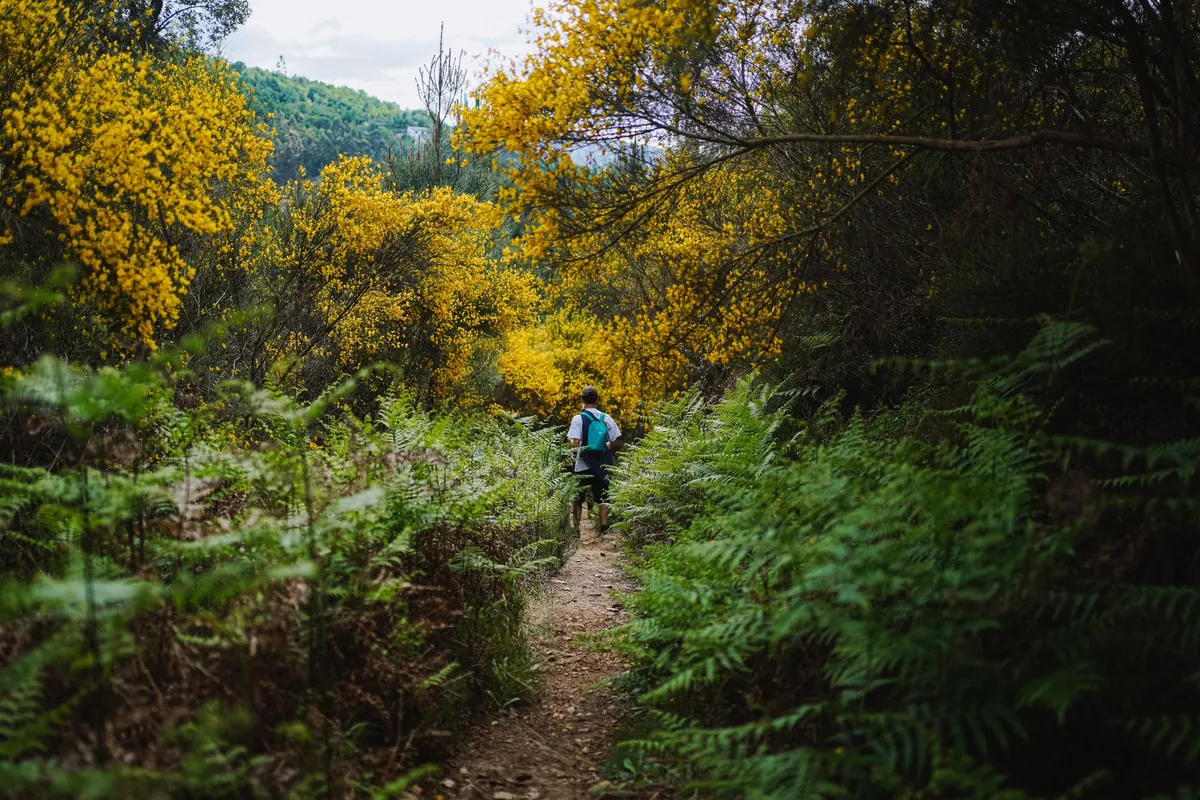
Photo: Diogo Miranda / Pexels