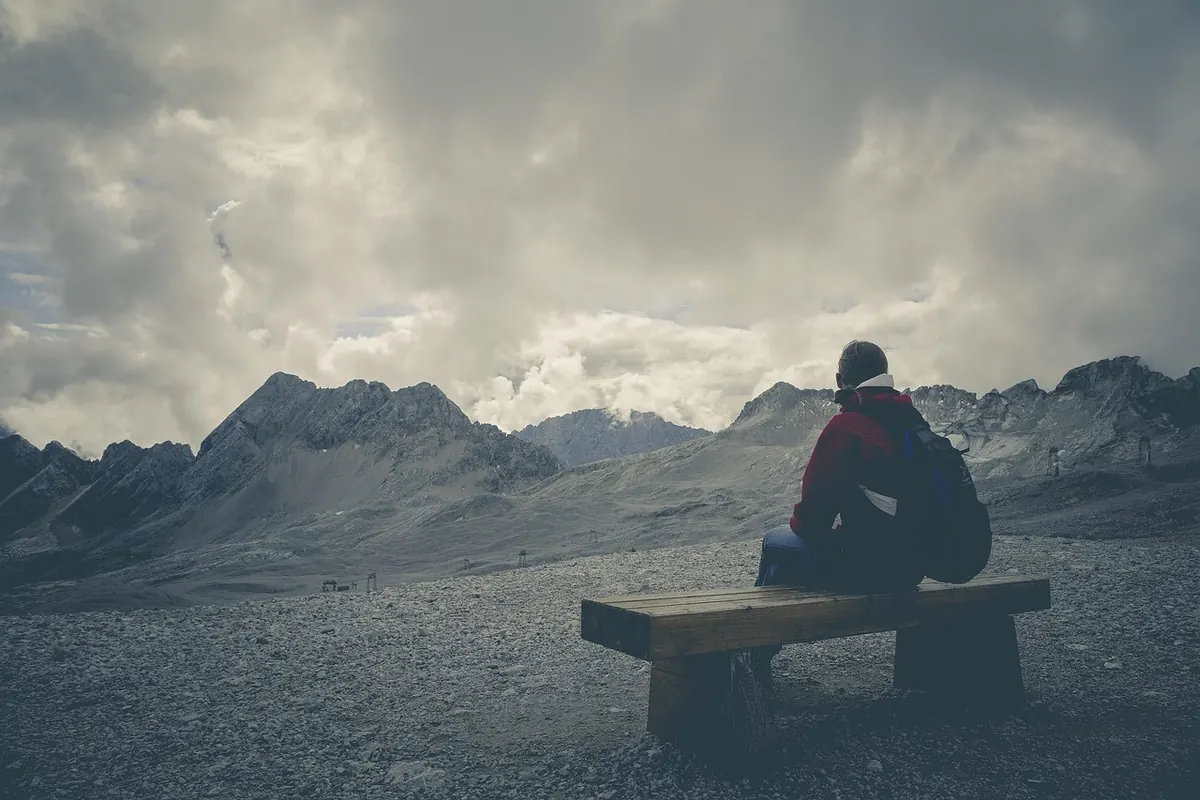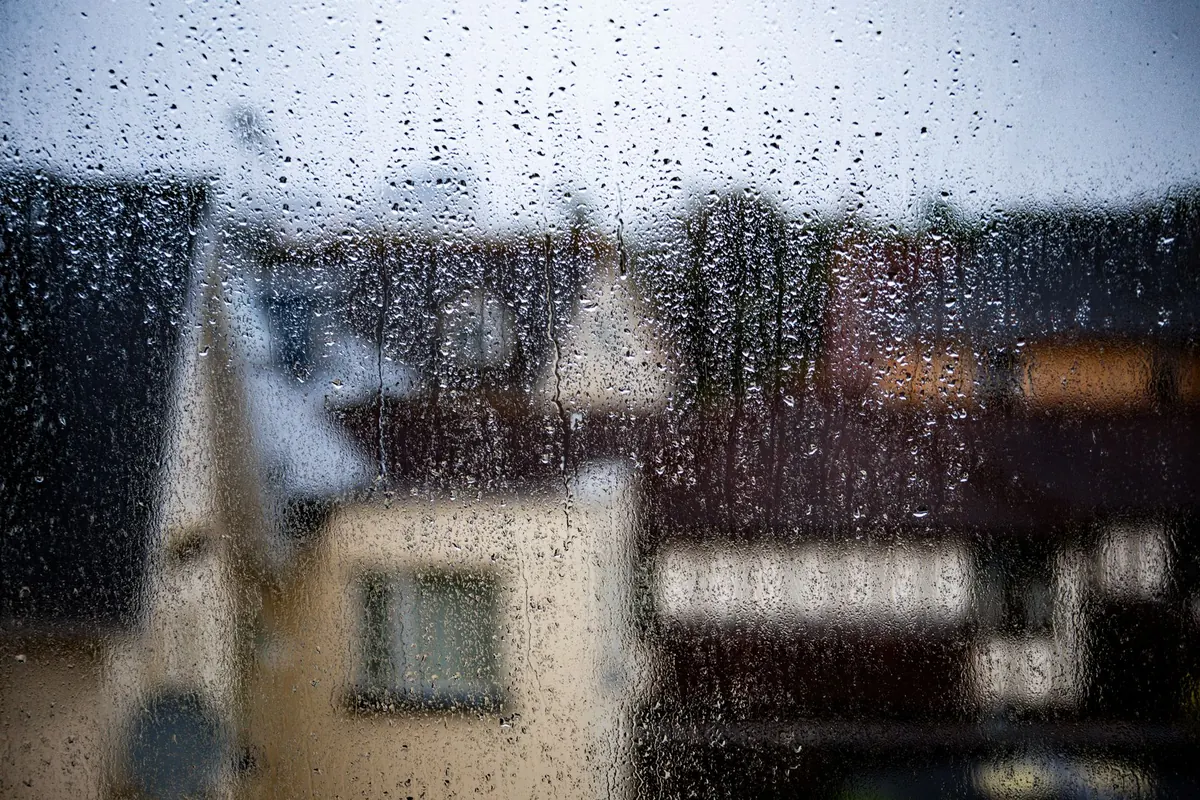
A forecast full of grey icons is not a verdict on your weekend. Most rainy days that go wrong were set up to go wrong long before the first drop fell: a route chosen for dry weather, a pack stuffed for a sunny one, and an itinerary with no room to move. Fix those three things and rain stops being something that happens to your trip and becomes something that shapes it.
None of this requires toughness or a taste for discomfort. It requires choosing ground that drains, clothing that still works when it's soaked, and making decisions early, in the warm and dry, so the day stays comfortable when the sky doesn't cooperate.
Pick Ground That Drains
Water is a route-finding problem before it is a comfort problem. Some paths shed rain and stay walkable; others turn into a greasy channel within twenty minutes. Rocky ground, sand, gravel, and forest floor covered in leaf litter and pine needles generally hold up. Clay, chalk, polished limestone slabs, and bare earth with heavy foot traffic do not.
That usually means swapping the obvious objective for a subtler one. Instead of the exposed summit loop, take the forest track that reaches the same lake from the north side. Instead of a narrow gorge with fixed ropes, walk the broad valley beside it. Instead of a ridge with no cover and a long descent on wet rock, choose a wooded shoulder where the trees break the wind and the roots give your boots something to grip.
Elevation matters too. A lowland forest is a different proposition from an open ridge, even when the forecast looks similar for both. In wet weather, staying lower and staying under trees buys you a surprising margin of comfort — and often better views of the cloud doing interesting things to the hills, rather than being inside it.
Read the Route Before You Walk It
Give the map fifteen minutes of proper attention before you commit. Three things are worth marking.
Drainage. Count the stream crossings. A crossing that is ankle-deep at nine in the morning can be waist-deep by noon after heavy rain upstream, and the water you are standing in may have fallen kilometres away. If a route crosses a stream more than once, plan it as an out-and-back so you can turn around at the first crossing that looks wrong.
Exposure. Wind and cold do more damage than water alone. Any stretch above the treeline, any coastal path, any section of open moor deserves a note on the map and a decision, made in advance, about what wind speed or visibility would send you back.
Escape routes. Know where you can leave the route safely: a forest road, a shelter, a farm track, a bus stop. The presence of a bail-out point changes a committing walk into a flexible one.
Do this at home and again in the car park, with the actual weather in front of you. Conditions at the trailhead tell you more than a forecast issued six hours earlier.
Pack for Wet, Not Just Cold
Most packing lists assume the problem is temperature. In rain, the problem is water moving through your kit and then staying there. Build around a few principles and the specific items follow:
- A shell you have actually tested. Hood up, arms raised, pack on. If water runs down your sleeves or the hood blinds you when you turn your head, it will do that on the hill too.
- Layers that insulate when damp. Wool and synthetics keep some warmth when wet; cotton next to your skin does the opposite. This is the one rule worth being strict about.
- Spare socks in their own dry bag. The best morale item in any pack. Dry feet at the halfway point can rescue an entire day.
- Two layers of protection for anything essential. Phone, map, headlamp, keys: a sealed bag inside a pack liner. Assume the outer layer will fail eventually.
- Grip over height. Footwear matters less than the tread pattern and your confidence on wet roots and rock. Poles are not a luxury on slippery descents; they are two extra contact points.
- Small things that punch above their weight. A brimmed cap under the hood, thin gloves, a bandana, gaiters for boggy grass, a thermos, and food you can eat with cold hands.
The dry-bag habit
Think in terms of what would end the day if it got soaked. A dead phone is inconvenient. A soaked map, a dead headlamp, and no dry layer is a genuine problem. Group those items in one bag and treat it as the trip's insurance: it stays closed in the rain, it gets repacked properly every time, and it does not come out just because you are rummaging for a snack. A simple plastic pack liner costs very little and adds a second wall of protection around everything.
Plan Around Windows, Not Whole Days
Rain is rarely continuous for twelve hours. It arrives in fronts, in showers, in a drizzle that lifts at two in the afternoon. Check the rainfall radar before you leave and be willing to shift the day by a couple of hours rather than cancel it.
Then design a route with a short version at its heart. A two-hour loop that can be extended to five is far more useful in unsettled weather than a five-hour route with no shorter option. Decide the turning point in advance — a particular bridge, a junction, a time on the clock — and stick to it. The decision you make on an exposed ridge in horizontal rain is not your best decision of the day. The one you made in the car park, warm and dry, almost certainly is.
Make the Backup Plan a Different Trip
Don't plan a backup so much as plan a second, smaller trip in the same area. A short forest walk to a waterfall, which is at its best when the water is high. A low-level loop beside a river. A coastal path with a cafe at the halfway mark and a bus back. Waterfall walks and mossy woodland are genuinely improved by rain, which is more than can be said for a summit.
Campers have one extra decision: where to pitch. Look for slightly raised ground, avoid the hollow that collects water and the flat spot that looks too convenient to be true, and keep well away from streams and rivers, which can rise quickly overnight. A tarp over the tent door makes a wet evening considerably more civilised. Travelling with children, cut every estimate in half and add a hot drink; the goal isn't distance, it's finishing while everyone still enjoys themselves.
What Rain Actually Gives You
Here is the part that rarely makes it into the planning. Wet weather changes what a place looks like, usually for the better. Waterfalls run full. Moss and lichen glow. Rivers have colour and noise. The air smells of wet soil — that earthy scent comes from compounds released by soil bacteria, and it is one of the most recognisable smells there is.
You also get the place closer to yourself. Car parks that are full on a sunny Saturday sit half empty in drizzle. Birds and animals often stay active, and you hear more than you see. The light, low and soft under cloud, is far kinder to a camera than hard midday sun: saturated greens, mist between trees, reflections in every puddle. The trick is to stop treating rain as an interval between the real trip and the rest of your life, and instead dress for it, walk in it, and eat lunch under a tree with the hood up.
Before You Leave: A Ten-Minute Check
Run through this just before you lock the door. Forecast and rain radar, including wind speed and when the front is due. River and tide levels if the route depends on either. One route and one shorter alternative, both understood. A turnaround time written down. Dry bag packed and sealed. Someone at home who knows where you are going and when you expect to be back.
Then go. Wet weather is only disappointing when it catches you unprepared; when the ground, the kit, and the plan have all been chosen for it, a rainy day outdoors tends to be the one you remember. If your route goes somewhere remote or high, check local advice before you set out — a guidebook, a ranger station, or the local mountain rescue service will know far more about current conditions than any general plan can.
Photo: Tony Zohari / Pexels