A Seasonal Guide to Wildflower Watching in the Mediterranean
Come to the Mediterranean in high summer and you find a landscape of dry gold and hard light, and you may decide the flowers have gone. They have not gone; they have finished. The flowering year here runs on a different clock. It begins with the first serious rain, gathers through the winter, and peaks somewhere between February and May, while the hills are still green and the ground still soft underfoot. What follows is a month-by-month map of that year, with notes on where to look and how to look without leaving damage behind. Treat it as a framework rather than a timetable: the Mediterranean is not one place, and its spring arrives in waves, from the coast upward and from the south northward.
How the Mediterranean Flower Calendar Works
Three dials set the timing almost everywhere in the basin: latitude, altitude and aspect. The same species can open in January on a warm south-facing slope in Cyprus and still be in bud in late May on a north-facing slope at 1,200 metres in the Pindus. Between the two there is a flowering front that climbs the mountains as the season advances, and it is the single most useful thing to understand if you want to plan a trip. When the coast is finished, drive uphill. When the lowland is dry, look for north-facing slopes and damp hollows. Even a few hundred metres of elevation can buy you two or three extra weeks.
Rain matters as much as temperature: a dry autumn pushes everything back by weeks, a wet one greens the garrigue before the almond blossom is out. Geology splits the flora too. Limestone gives the classic aromatic palette — thyme, savory, rock rose — while schist and serpentine carry their own specialists, and old terraces, field edges and grazing margins hold plants the closed maquis has already lost. Stone walls, road cuttings and firebreaks often mimic the bare, warm ground that small bulbs and annuals need. The richest places are frequently not the most remote; they are the places where something has recently disturbed the soil, or where the soil has never been allowed to close over.
Keep a notebook rather than chasing a list. Date, altitude, aspect, soil, what was in flower and what was already seeding. Three visits to one hillside will teach you more than one visit to ten. Learn twenty species well and you will begin to read the ground: which plants are early, which are late, which follow grazing, which follow fire, which need the shallowest soil and the hottest sun.
When the coast is finished, drive uphill; when the lowland is dry, look for north-facing slopes and damp hollows.
January to March: Blossom on Bare Branches
Almond is the first unmistakable sign, flowering from January in mild coastal districts, often on bare branches and often before the last cold snap. Then tree heath, whose small white bells fill the scrub with honey scent and a low hum of bees. Rosemary carries its blue flowers through the coldest weeks. In damp hollows, paperwhite narcissus. On overgrazed or abandoned ground, the tall white spires of asphodel begin in February and keep going into April. In olive groves and on stony edges, the first leaves and buds of early bulbs push through the winter grass, and winter-flowering crocuses open briefly on mountain margins when the sun reaches them.
Orchids start quietly. On mild coastal sites the first bee orchids of the genus Ophrys appear in late February, and by March the tongue orchids and the pink-and-purple Serapias are open in roadside grass and old olive groves. Anemones follow, scarlet and mauve, and wild tulips open on rocky slopes inland. Walk slowly. Most of these plants are shorter than your boot is long, and all of them are easy to step on. Many are geophytes, storing their energy in bulbs or corms underground, which means a picked flower is not just a lost flower but often a lost flowering season.
This is also the best season for reading the ground before the grasses hide it. Look along goat paths, firebreaks, terrace edges and the warm margins of tracks. Early bulbs appear where the soil is shallow and the sun reaches in, and early annuals crowd into any gap that stays damp just long enough to flower. It is a season of small discoveries rather than broad sheets of colour, and it rewards the habit of stopping.
April to June: The Great Wave
This is the main event. If you can travel only once, come in April or early May and follow the weather rather than a fixed itinerary. Low coastal sites may peak in April, middle slopes in May, and high mountain pastures in June. A wet spring can delay the whole sequence; a warm, dry one can accelerate it. Ask locally what has already flowered, and let the answer move your plans uphill or north.
- April. Poppies flare along field edges and disturbed ground. Crown daisies turn whole slopes yellow. Wild gladiolus, three or four flowers on a slender stem, appears in dry grass. Orchid diversity is at its height, and the Judas tree flowers pink directly on its branches and trunk. Wild clary, bugloss and the first cistus add blue, purple and white to the yellow and red.
- May. The wave reaches its crest. Rockrose spreads sheets of white and pink across the garrigue, each flower lasting only a day. Thyme, savory and oregano flower on limestone; Spanish broom adds yellow spires; asphodels stand like white lighthouses over dry ground. Orchids begin to go to seed, while late species continue on higher slopes. Walk in the morning if you can: the scent of the aromatic scrub rises as the sun warms it.
- June. The lowlands begin to burn off, but the mountains are still green. Poppies persist in cultivated fields, cornflowers and caper bushes flower on walls and ruins, and sea squill starts to send up its tall white spike. Grasses turn to straw, and seed heads become the main event. Follow the flowering front uphill; at 1,000 metres or more, June can feel like April.
By the end of June, the lowland is entering summer dormancy, but that does not mean there is nothing left to see. Shaded ravines, damp seepages, north-facing slopes and high pastures hold late flowers, and the dry ground is full of seed heads, pods and bulbs waiting for the next rain.
July to September: Seed, Dust and Late Specialists
Most wildflower guides stop in June, but the Mediterranean year does not. Summer is seed season: umbels, thistles, grasses and dry stalks that are worth a hand lens even when there is no colour left. A few specialists flower now, among them caper bushes on old walls, sea squill with its tall white spike, and late thistles and eryngos that draw bees and beetles. Seed heads matter too: they identify plants, feed birds and small mammals, and show how the flowering year is closing.
Heat and fire risk set the rules for summer watching. Walk early, carry water, stay on tracks and check local fire restrictions before setting out. This is not the peak season for flowers, but it is a useful time to learn structure, habitat and the shape of the landscape. It also teaches patience: after the first real autumn rain, the whole cycle will begin again.
October to December: The Quiet Reset
The first autumn rains trigger a second, smaller flowering. Autumn crocuses and Sternbergia appear on rocky ground, Cyclamen graecum opens under olive trees and shrubs, and the strawberry tree flowers while its fruit ripens. Sea squill finishes its season. Some orchids produce their winter rosettes now, though they will not flower until spring. Almond buds begin to form, and the first green shoots soften the dry ground.
This is the season to scout. note where water sits, which slopes stay warm, which tracks stay open and where the autumn bulbs appear. In mild coastal districts, winter can be surprisingly active: rosemary, tree heath and winter-flowering bulbs keep the year alive, while at altitude snow and cold close the season down. The quiet months are not empty; they are the preparation for the main event.
Where to Look: Five Reliable Habitats
Mediterranean flora is patchy, and the best strategy is to target edges rather than walk blindly across closed scrub. These five habitats will cover most of what a visitor wants to see.
- Coastal garrigue and phrygana. Low, wind-pruned scrub on thin soil, often rich in early bulbs, orchids and aromatic plants. It is fragile: stay on paths and avoid trampling the soil crust.
- Limestone slopes and rock outcrops. Shallow soil warms quickly, and the gaps between rocks hold thyme, savory, rock rose and small bulbs. Many specialities grow here, but the ground is easily damaged by scrambling.
- Old olive groves and terraces. Disturbance, grazing and field edges create a mosaic that orchids, anemones and wild tulips favour. Ask before entering private land, and keep out of crops.
- Damp hollows and seasonal streams. Paperwhite narcissus, asphodel and many orchids follow the moisture. These places stay green longer and can flower well into the dry season.
- High mountain pastures. The late-season refuge. Altitude delays flowering, and the flora changes with rock type and grazing. Weather can turn quickly, so go prepared.
Road verges and firebreaks are often unexpectedly rich, precisely because they are disturbed and open. Park safely, keep off the road, and remember that a verge is also a habitat.
How to Watch Without Leaving Damage
Wildflower watching is a form of land use, and every visit leaves a trace. These rules are simple and worth repeating.
- Stay on paths and tracks. The most fragile things are often underground: bulbs, corms and soil crusts that take years to recover.
- Never pick or dig. Many orchids and bulbs are protected, and even common species need to set seed. Photograph instead.
- Keep off private land and crops. Ask permission, close gates, and give livestock and dogs space.
- Do not drive off-road. Tyres crush bulbs and compact soil, and tracks become erosion channels.
- Use close-focus binoculars or a hand lens. You can see more by kneeling at the edge of a path than by walking through the middle of a flower patch.
- Respect fire rules and wildlife. Summer brings fire risk, snakes and bees. Look, do not handle, and leave the landscape as you found it.
- Record rather than collect. Notes and photographs are enough. Be cautious about publishing precise locations of rare species.
The Mediterranean flowering year rewards patience more than ticking off a list. Come in spring, then come again in autumn. Visit the same hillside at two altitudes and in two months, and the calendar will begin to make sense. The best moment is rarely a date on a guidebook page; it is the meeting of rain, warmth, altitude and aspect, and the willingness to walk slowly enough to notice it.
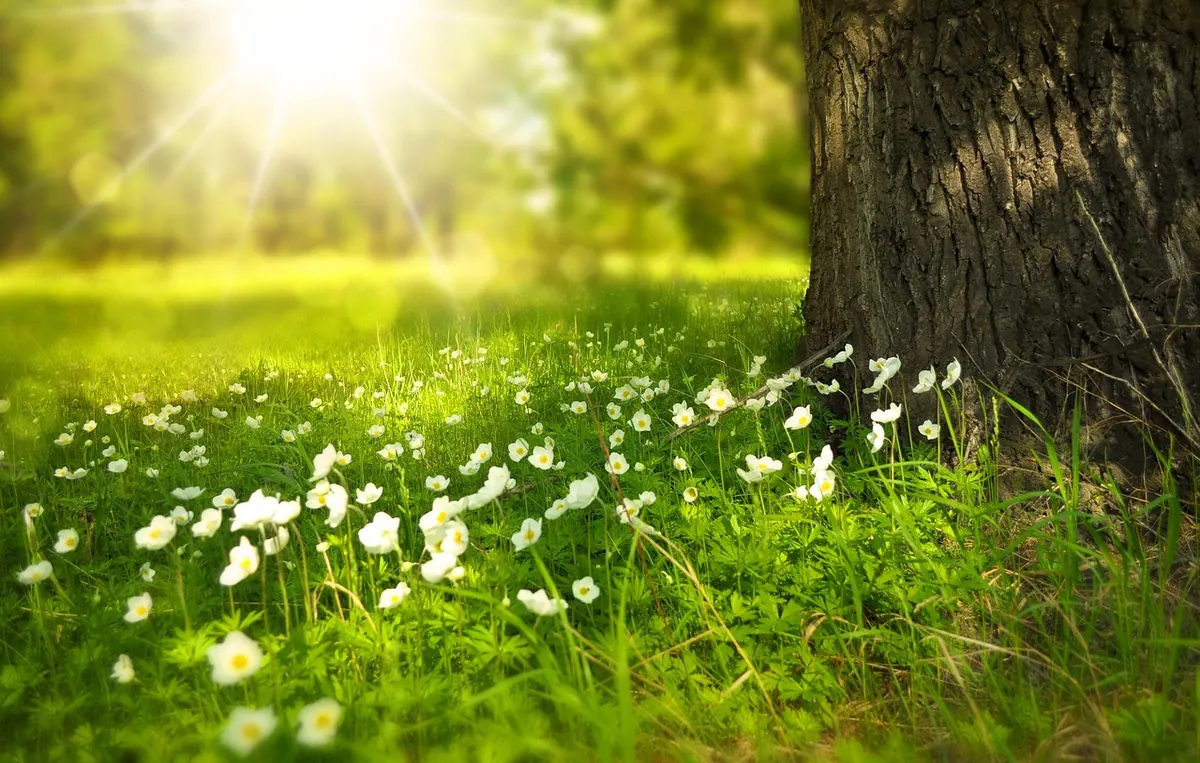
Photo: Larisa-K / Pixabay